Month: January 2026

57 Marywood Square, the former 26 Moray Place

This is the story of 57 Marywoood Square, formerly known as 26 Moray Place, and – briefly – as 57 Princes Square. The residence is the end building of the fourth Moray Place terrace, but its porch opens onto Marywood Square. Unusually, it was designed by Francis Armstrong, an architect from Dumfrieshire who had little involvement in Glasgow, but who purchased the land for development in 1876. He retained ownership of 28 Moray Place upon completion.

Blond stone terrace with large projecting bay at each end, the nearest being no 57.

View of 57 Marywood Square/26 Moray Place from Moray Place, with the rest of the terrace beyond.

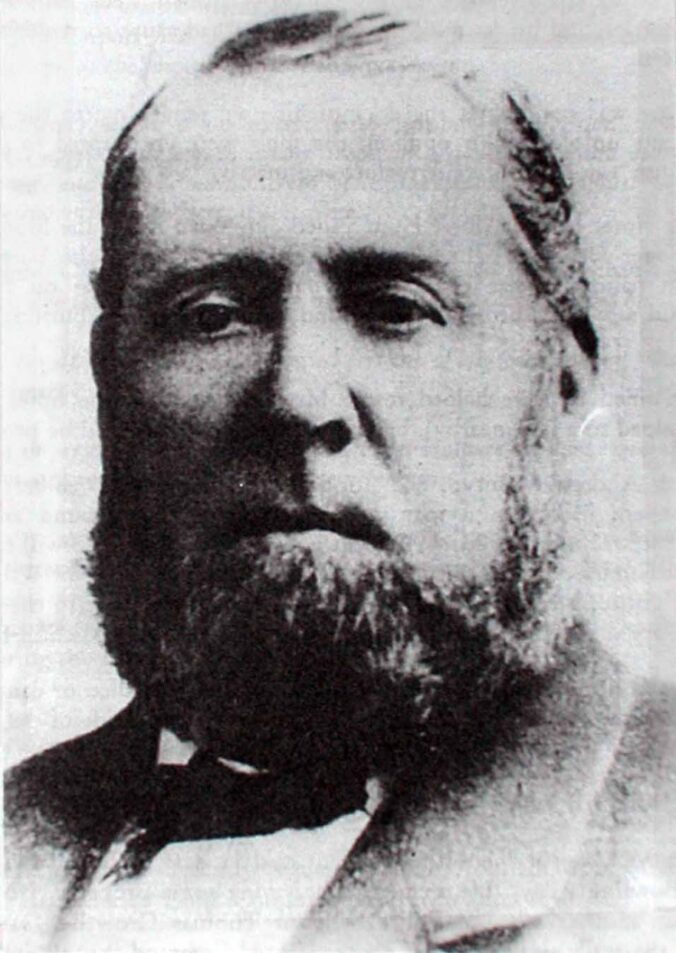
William Fullarton Murray

William Fullarton Murray was the third William in succession in the Murray family, and the first occupant of 26 Moray Place.

The elder William Murray was a stationer in Paisley. His son, who styled himself William Murray Jnr, was born in Paisley in 1806. He married Agnes Fullarton and had eleven children, of whom William Fullarton Murray was the eldest son.

He was born in Glasgow in 1837, and married Elizabeth Rodger in 1869. She was a widow, with a daughter Agnes, and they had a further son William in 1871. Around 1878, on completion of the new terrace, the family moved into No 26 Moray Place with the two children.

In 1885 Elizabeth died at home, aged 52, and the following year, aged 49, William married again, to Jane Laidlaw. Jane was a neighbour, the daughter of school teacher John Laidlaw of 1 Princes Square (now 4 Marywood Square), the marriage taking place in her home. Despite his late start, he had four more children with Jane, three born in Moray Place, and the fourth after he had retired to a farm in Kilwinning c.1898, born in 1901.

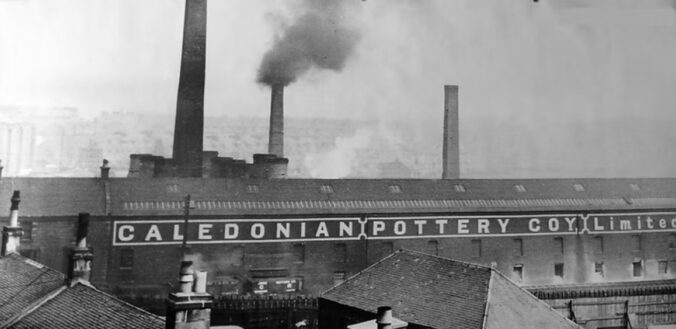
The Murrays were potters, but not just any potters.
Continue reading

Andrew McIntyre, builder – and father of Australian democracy?

I have now identifed and described almost all the builders of Strathbungo’s iconic buildings, but Andrew McIntyre’s fascinating story deserves an account all its own. As it is Australia Day today, 26th January, it seems appropriate to document a Strathbungo man’s role in riot, insurrection and the democracy movement in Australia.

But first the Strathbungo stuff.

Andrew McIntyre was the youngest child of Archibald McIntyre, a mason from Glenorchy. The family moved from Callander to Glasgow around 1825 and Andrew was born there in 1831. He married Margaret Kerr from Beith in the Gorbals in 1850 and moved in with her family at 80 Eglinton Street. They were both 19.

By this point his two brothers John and George, who were several years older, were already establishing themselves in their father’s trade as masons, and would go on to become brickmakers and builders. John McIntyre, the eldest, would partner with the quarry master William Stevenson and architect Alexander “Greek” Thomson to build Queens Park Terrace, and then purchase and develop Strathbungo, building 1-10 Moray Place, and possibly 11-18 also.

Continue reading

The origins of Salisbury Quadrant, Nithsdale Drive and March Street

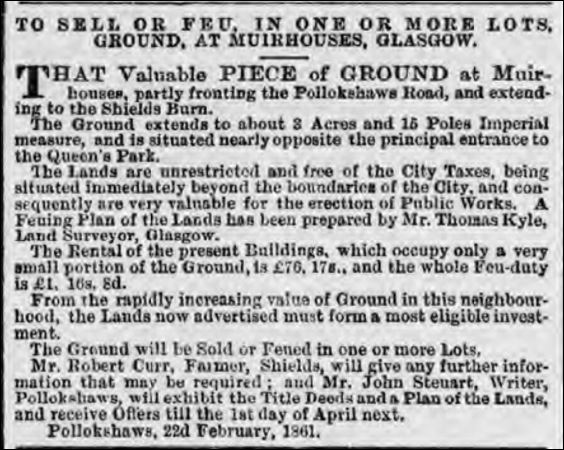
This short post was prompted by the discovery of an old advert from 1861 listed on the Scottish Brick History website, above. It describes the offer for sale of a plot of land at “Muirhouses”.

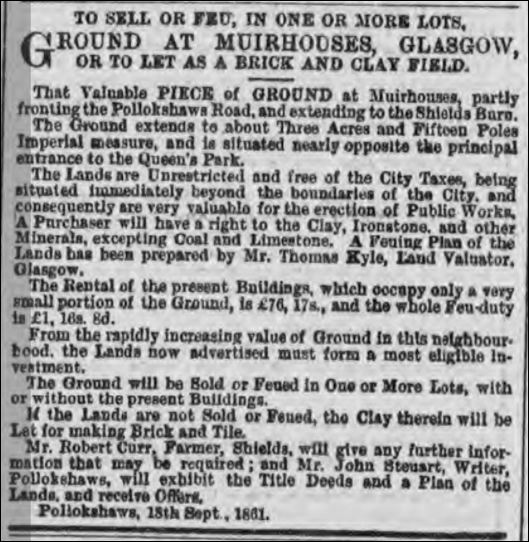
The land didn’t sell, and was advertised again in May 1862, with the additional option to use as a brickfield, or at least for extracting its clay.

Same advert except for addition of rights to the clay and to erect a brick field.

Advert in Glasgow Herald 6 May 1862, now advertising use as a brickfield. Source: Scottish Brick History

The Scottish Brick History site presumed it to be land used by William Wilson for a brickworks in Muirhouses, near Eglinton Toll , but it didn’t ring true. So where was it?

Continue reading

© 2026 Bygone Bungo

Theme by Anders NorĂ©nUp ↑